GAS
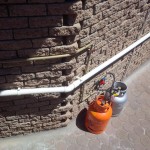
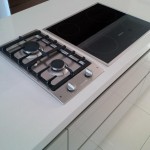
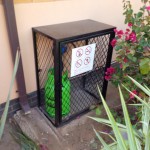
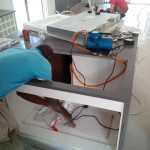
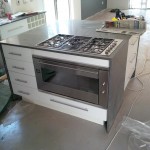
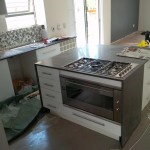
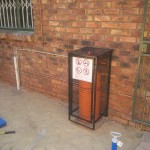
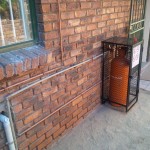
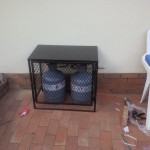
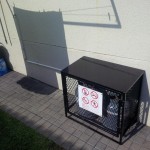
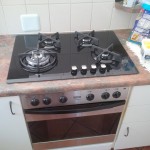
Specialising in LP Gas installations. We only install SABS/LPGSASA approved equipment, and prefer PEX piping to copper, consisting of various layers of PVC and aluminium to ensure a leak free installation. Each installation gets pressure tested to 2 bar (200kPa). Considering that the gas pressure exiting the regulator on a normal residential installation is only 2.8kPa, clients have peace of mind knowing that the installation is leak free and safe. Gas in general is much more cost effective than conventional electrical installations. E.g. food heats up and cooks much quicker, resulting in less of the nutrients being lost due to prolonged cooking. On average, a 9kg gas bottle will last an average family with a new hob approximately 4-10 months. Assuming a gas refill bottle is around R200, this equates to R50 – R20 per month respectively. A complete list of registered installers is available on either the LPGSASA website www.lpgas.co.za or the SAQCCGAS website www.saqccgas.co.za We are registered with LPGASA and can inspect and issue any residential LP gas installation certificate.
Safety Tips with the use of LP gas
- Ensure there is adequate ventilation when using gas appliances. The flames use up a lot of the oxygen in the room and this may lead to serious oxygen deficiency which will cause a person to loose consciousness and if the situation remains the same, this could lead to death. The first thing an installer must do when specifying a new installation, is determine the size of the room/size of appliance and ventilation available.
- Only use SABS/LPGSASA “Safe Appliances”, they are safe.
- Never leave gas appliances unattended.
- Always buy gas bottles from legitimate suppliers. Your insurance will not cover you if the gas you bought is not legal. Illegal gas has clear plastic seals.
- All installations should only be carried out by certified installers, ask for their licence cards, or visit the LPGSASA website above.
- Under no circumstances should children play with gas appliances.
- When the cylinder becomes empty, you will smell the gas more than usual. This is the non flammable additive that allows you to smell the odourless gas. You should not be able to smell copious amounts of gas in a new cylinder. If the gas smell is severe, shut off the gas supply, open windows and doors and call an installer.
- If you have to light the gas manually, light the match or lighter first, then add the gas.
- Every few years call an installer to inspect the installation to ensure peace of mind.